

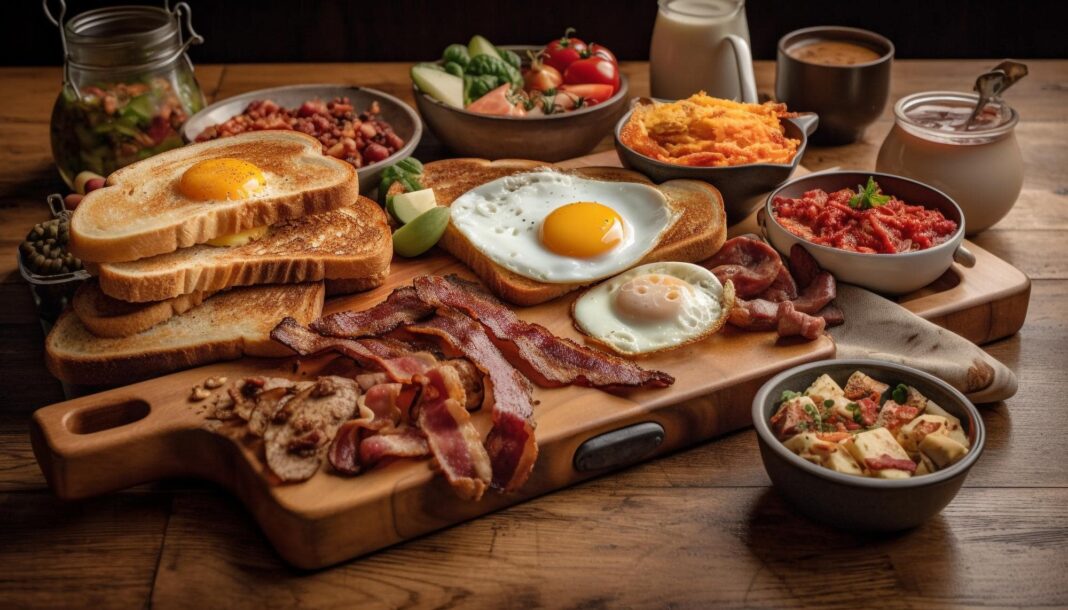

Category: Health & Fitness » Nutrition
10 High-Protein Breakfast Ideas That Boost Energy and Speed Up Fat Loss
10 Evidence-Based High-Protein Breakfast Ideas to Improve Satiety, Increase Metabolism, and Support Sustainable Weight Loss
What you choose to eat for breakfast has a powerful impact on how you feel and perform for the rest of the day. A meal built on sugar and refined carbohydrates can leave you hungry, unfocused, and craving more food just a few hours later. In contrast, a breakfast rich in high-quality protein can stabilize blood sugar, reduce cravings, and keep you full until lunch. That is why High-Protein Breakfast Ideas are not just a trend—they are one of the most effective strategies for improving body composition, energy, and long-term health.
Protein is the most satiating macronutrient. It slows digestion, supports the release of appetite-regulating hormones, and increases the thermic effect of food—meaning your body burns more calories digesting protein than it does digesting fats or carbohydrates. Studies published in the American Journal of Clinical Nutrition show that people who start their day with a protein-rich breakfast experience fewer cravings and consume fewer calories throughout the rest of the day. By prioritizing protein in the morning, you set a metabolic tone that supports fat loss rather than fat storage.
Another advantage of applying High-Protein Breakfast Ideas is their role in muscle maintenance. Even if your primary goal is weight loss, protecting lean muscle mass is essential. Muscle tissue is metabolically active, helping your body burn more calories at rest and improving insulin sensitivity. When breakfast is low in protein and high in sugar, it does little to support muscle recovery or metabolic health. In contrast, a breakfast with 20–30 grams of protein provides the amino acids needed for repair, growth, and optimal daily function.
Despite these benefits, many people still rely on low-protein, high-sugar breakfast options such as pastries, sweetened cereals, white toast with jam, or flavored coffee drinks. These meals may be quick and convenient, but they create energy crashes, intense hunger, and a higher likelihood of overeating later in the day. By switching to intentional, well-built High-Protein Breakfast Ideas, you can transform your mornings without sacrificing taste or convenience. In fact, most of the ideas in this guide can be prepared in 5–10 minutes or even prepped in advance.
In this article from TopTipTen.com – Read. Explore. Discover. we present 10 practical, science-backed High-Protein Breakfast Ideas that fit real life: from Greek yogurt bowls and omelettes to plant-based options like tofu scramble and chia pudding. Each idea is designed to deliver a balance of protein, healthy fats, and fiber, so you feel satisfied—not sluggish—after eating. Whether your goal is fat loss, muscle gain, improved energy, or better overall health, consistently choosing a high-protein breakfast will give you a clear advantage.
Table of Contents
- Greek Yogurt Protein Bowl
- Egg & Spinach Omelette
- High-Protein Oatmeal
- Cottage Cheese Power Bowl
- Smoked Salmon & Avocado Toast
- Protein Pancakes
- Turkey & Veggie Breakfast Wrap
- Chia Seed Protein Pudding
- Tofu Scramble
- High-Protein Breakfast Smoothie
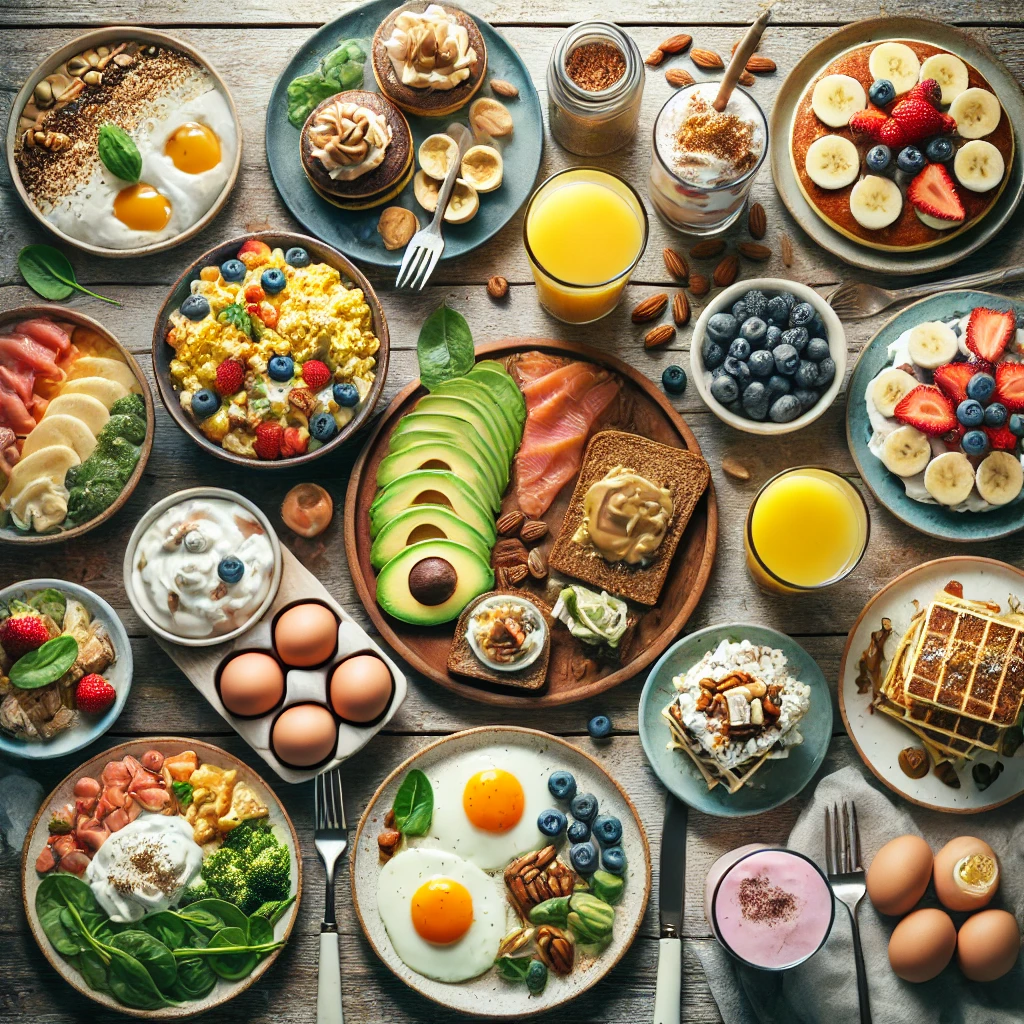
1. Greek Yogurt Protein Bowl
Greek yogurt is one of the simplest and most effective High-Protein Breakfast Ideas. Compared to regular yogurt, it offers nearly twice the protein and far less sugar, especially when you choose the plain, unsweetened variety. A typical serving can provide 15–20 grams of protein on its own.
To build a complete Greek yogurt protein bowl, start with a base of plain Greek yogurt, then add toppings that increase both nutritional value and satisfaction: berries for antioxidants and natural sweetness, nuts or seeds for healthy fats and crunch, and a small drizzle of honey if needed. This combination delivers protein, fiber, and micronutrients, keeping blood sugar stable and hunger under control for hours.
2. Egg & Spinach Omelette
Eggs remain one of the most efficient sources of complete protein, containing all nine essential amino acids in a highly bioavailable form. An omelette made with two or three eggs can easily provide 12–20 grams of protein. Adding spinach, onions, peppers, or mushrooms increases fiber, vitamins, and minerals without adding excessive calories.
This classic option fits perfectly into most lifestyles because it is quick to prepare and highly customizable. You can add a small amount of cheese for extra flavor and calcium, or serve the omelette with a slice of whole-grain toast for added carbohydrates if you need more energy. As one of the most flexible High-Protein Breakfast Ideas, an egg and spinach omelette works well for both weight loss and general health.
3. High-Protein Oatmeal
Oatmeal is often considered a healthy breakfast, but on its own it can be too low in protein and too high in carbohydrates. To transform it into one of your best High-Protein Breakfast Ideas, you simply need to adjust the ingredients. Instead of cooking oats with just water or milk, mix in a scoop of whey or plant-based protein powder, or stir in Greek yogurt or cottage cheese after cooking.
You can also top your oats with nuts, seeds, and a small amount of nut butter for additional healthy fats and protein. This turns a basic bowl of oats into a balanced breakfast with slow-release energy, superior satiety, and far better support for fat loss. The key is to prioritize protein first and treat oats as a vehicle for delivering it.
4. Cottage Cheese Power Bowl
Cottage cheese is an underrated high-protein food that fits perfectly into a busy morning routine. A single cup can contain over 20 grams of protein, while also providing calcium and other important nutrients. For a quick power bowl, combine cottage cheese with sliced fruit such as berries, kiwi, or pineapple, and sprinkle some nuts or seeds on top.
This combination provides a satisfying mix of protein, fiber, healthy fats, and natural sweetness without relying on added sugars. Cottage cheese power bowls are easy to prepare in advance and store in the fridge, making them an ideal option for people who want High-Protein Breakfast Ideas they can grab and go.
5. Smoked Salmon & Avocado Toast
Smoked salmon is rich in both protein and omega-3 fatty acids, which support heart health and reduce inflammation. When paired with avocado and whole-grain bread, it becomes one of the most nutrient-dense High-Protein Breakfast Ideas. The combination of protein, healthy fats, and fiber helps stabilize blood sugar and keeps you satisfied for hours.
To build this meal, toast a slice of whole-grain bread, spread mashed avocado over it, and layer thin slices of smoked salmon on top. Finish with lemon juice, cracked pepper, or fresh herbs. This breakfast works especially well for people who want something savory, elegant, and still relatively quick to assemble.
6. Protein Pancakes
Protein pancakes are a perfect solution for those who love sweet breakfasts but want to avoid the sugar crashes that come from traditional pancakes or waffles. By using oats, eggs, and a scoop of protein powder as the base, you can create fluffy pancakes that deliver 20–30 grams of protein per serving.
Top them with Greek yogurt, fresh fruit, and a small amount of pure maple syrup or honey if desired. This way, you enjoy the comfort of a classic breakfast but with the structure and benefits of the best High-Protein Breakfast Ideas. They are also easy to prepare in batches and freeze for later in the week.
7. Turkey & Veggie Breakfast Wrap
A whole-wheat or high-fiber wrap filled with lean turkey slices, scrambled eggs, and sautéed vegetables offers an excellent balance of protein, complex carbohydrates, and micronutrients. This kind of breakfast wrap is portable, making it ideal for busy mornings when you need to eat on the go.
You can prepare the fillings in advance and assemble the wrap in just a few minutes. As one of the more substantial High-Protein Breakfast Ideas, it is especially useful for people with physically demanding jobs or intense training schedules who need a solid foundation of nutrients early in the day.
8. Chia Seed Protein Pudding
Chia seeds naturally absorb liquid and swell, forming a pudding-like texture. When combined with milk or a fortified plant-based alternative and a source of protein like Greek yogurt or protein powder, chia pudding becomes a powerful, fiber-rich and protein-rich breakfast.
Prepare it the night before by mixing chia seeds with your liquid and protein source, then let it sit in the fridge. In the morning, top it with fruit, nuts, or coconut flakes. This option is one of the most convenient High-Protein Breakfast Ideas because it requires no morning cooking and still delivers impressive satiety and nutritional value.
9. Tofu Scramble
For those who prefer plant-based eating, tofu scramble is an excellent alternative to scrambled eggs. Firm tofu provides a solid amount of protein and can be seasoned with turmeric, garlic, nutritional yeast, and vegetables to create a flavorful, colorful dish.
Served with whole-grain toast or roasted potatoes, tofu scramble ranks highly among vegan High-Protein Breakfast Ideas. It supports muscle maintenance and offers a variety of micronutrients without relying on animal products, making it ideal for vegetarians and vegans.
10. High-Protein Breakfast Smoothie
A well-designed smoothie is one of the fastest High-Protein Breakfast Ideas you can make. The key is to avoid turning it into a sugar bomb. Start with a base of water or unsweetened milk, add a scoop of whey or plant protein, then include fiber-rich ingredients like berries, spinach, and a tablespoon of nut butter or seeds.
This combination provides protein, fiber, healthy fats, and antioxidants in a drinkable format you can take anywhere. It is perfect for mornings when you do not have time to cook but still want a breakfast that supports your goals instead of working against them.
If you are also working on improving your overall diet, make sure to read our guide on
10 Diet Mistakes That Stop Your Weight Loss Instantly
to avoid common errors that can undermine even the best High-Protein Breakfast Ideas.
FAQ – Frequently Asked Questions
1. How much protein should a high-protein breakfast contain?
Short Answer: Most people should aim for about 20–30 grams of protein at breakfast.
Long Answer: Research suggests that 20–30 g of protein in the first meal of the day is enough to trigger muscle protein synthesis, increase satiety, and reduce cravings later on. For very active people, athletes, or those in a calorie deficit, the ideal range may go up to around 30–35 g. In practice, this can be achieved with options like 2–3 eggs plus Greek yogurt, cottage cheese with nuts, or a smoothie with protein powder and oats. The key is consistency: hitting this protein range most mornings supports better appetite control and long-term body composition.
2. Are High-Protein Breakfast Ideas good for weight loss?
Short Answer: Yes, high-protein breakfasts are one of the most effective tools for sustainable weight loss.
Long Answer: High-protein breakfasts stabilize blood sugar, keep you full for longer, and reduce the urge to snack on sugary or ultra-processed foods later in the day. Several studies show that people who start the day with a high-protein meal consume fewer total calories over 24 hours compared to those who eat mostly carbohydrates in the morning. When you consistently apply High-Protein Breakfast Ideas, you build a routine that supports a calorie deficit without feeling constantly hungry or deprived, which is crucial for long-term fat loss.
3. Do I need protein powder for a high-protein breakfast?
Short Answer: No, it is optional. You can build a complete high-protein breakfast using whole foods only.
Long Answer: While whey or plant-based protein powders make High-Protein Breakfast Ideas quicker and more convenient, they are not mandatory. Eggs, Greek yogurt, cottage cheese, smoked salmon, tofu, turkey, and legumes already provide excellent protein profiles. If you prefer whole-food approaches, you can combine items like scrambled eggs with beans, yogurt with nuts and seeds, or tofu scramble with vegetables. Protein powder is simply a tool—useful when you are busy, traveling, or want a fast shake, but never a requirement for doing things “correctly.”
4. Can a high-protein breakfast work for people who do not exercise?
Short Answer: Yes, it benefits both active and inactive people.
Long Answer: Even if you do not train regularly, High-Protein Breakfast Ideas help stabilize appetite, support metabolic health, and preserve the muscle mass you already have. Muscle is metabolically active tissue that improves glucose control and reduces the risk of metabolic diseases. A person with a sedentary lifestyle can still benefit from 20–30 g of protein in the morning because it reduces energy crashes, improves concentration, and prevents overeating later in the day. Exercise amplifies the benefit, but protein alone is already a strong health investment.
5. Are high-protein breakfasts safe for people with health conditions?
Short Answer: Usually yes, but people with kidney disease or specific medical conditions should consult a doctor or dietitian first.
Long Answer: For healthy adults, High-Protein Breakfast Ideas are considered safe and beneficial. However, individuals with chronic kidney disease, severe liver issues, or certain metabolic disorders may need personalized protein limits. If someone already has a diagnosis or is on medication, the safest approach is to speak with a healthcare professional before dramatically increasing protein intake. For most people, though, moving from a very low-protein breakfast (like toast and jam) to a moderate-protein breakfast (like eggs and yogurt) is a positive and safe change.
6. Can I prepare High-Protein Breakfast Ideas in advance?
Short Answer: Yes, many high-protein breakfasts are perfect for meal prep.
Long Answer: Meal prepping is one of the easiest ways to make High-Protein Breakfast Ideas part of your routine. You can boil eggs ahead of time, prepare chia puddings, overnight oats with added protein, turkey wraps, or smoothie packs ready for blending. Storing them in the fridge in sealed containers saves time and ensures consistent protein intake. The main rule is food safety: keep prepared meals refrigerated and consume them within 3–4 days, or freeze portions you plan to use later in the week.
7. Will a high-protein breakfast make me feel too full or heavy?
Short Answer: If portions are reasonable, you should feel pleasantly full— not heavy.
Long Answer: Protein often creates a deeper sense of fullness compared to sugary or highly processed breakfasts, but that does not mean you must feel bloated or sluggish. If you feel too heavy, it usually indicates an oversized portion, too much added fat (like cheese, oils, or butter), or lack of fiber and hydration. A well-designed high-protein breakfast uses a balanced plate: lean protein, some healthy fats, fiber from vegetables or whole grains, and adequate fluids. This combination supports energy and mental clarity rather than post-meal fatigue.
8. Are plant-based High-Protein Breakfast Ideas as effective as animal-based ones?
Short Answer: Yes, if they are well planned.
Long Answer: Plant-based High-Protein Breakfast Ideas using tofu, tempeh, legumes, soy yogurt, nuts, seeds, and fortified plant milks can provide sufficient protein and all essential amino acids when properly combined. While animal proteins are naturally “complete,” smart plant-based combinations—such as tofu with whole grains or nut butter with chia pudding—deliver similar benefits for satiety, muscle maintenance, and metabolic health. The main priority is total daily protein intake and variety, not just the source.
9. Can High-Protein Breakfast Ideas help control sugar cravings later in the day?
Short Answer: Yes, they significantly reduce sugar cravings.
Long Answer: High-protein breakfasts slow gastric emptying and stabilize blood sugar, preventing the sharp spikes and crashes that typically drive sugar cravings. When your first meal contains enough protein and some fiber, your brain receives stronger satiety signals and your energy levels remain more stable. Over time, this reduces the habit of reaching for sweets around mid-morning or late afternoon. Many people report that simply switching to a high-protein breakfast dramatically lowers their desire for pastries, soda, or candy during the day.
10. How can I start implementing High-Protein Breakfast Ideas if my current routine is very different?
Short Answer: Start small and change one element at a time.
Long Answer: You do not need to overhaul your entire breakfast routine overnight. Begin by adding a single source of protein to what you already eat—for example, adding Greek yogurt alongside your fruit, or eggs next to your toast. Once that feels normal, you can gradually replace low-protein options (like sugary cereal) with one of the High-Protein Breakfast Ideas from this article. Planning your breakfast the night before, making a shopping list, and prepping simple components (like boiled eggs or chia pudding) will make the transition smooth and sustainable instead of overwhelming.
Sources
- Harvard Health Publishing – Nutrition & Protein
- NCBI – Protein Intake and Satiety Research
- Mayo Clinic – Healthy Diet Basics
- CDC – Healthy Eating for a Healthy Weight
- World Health Organization – Diet and Physical Activity